
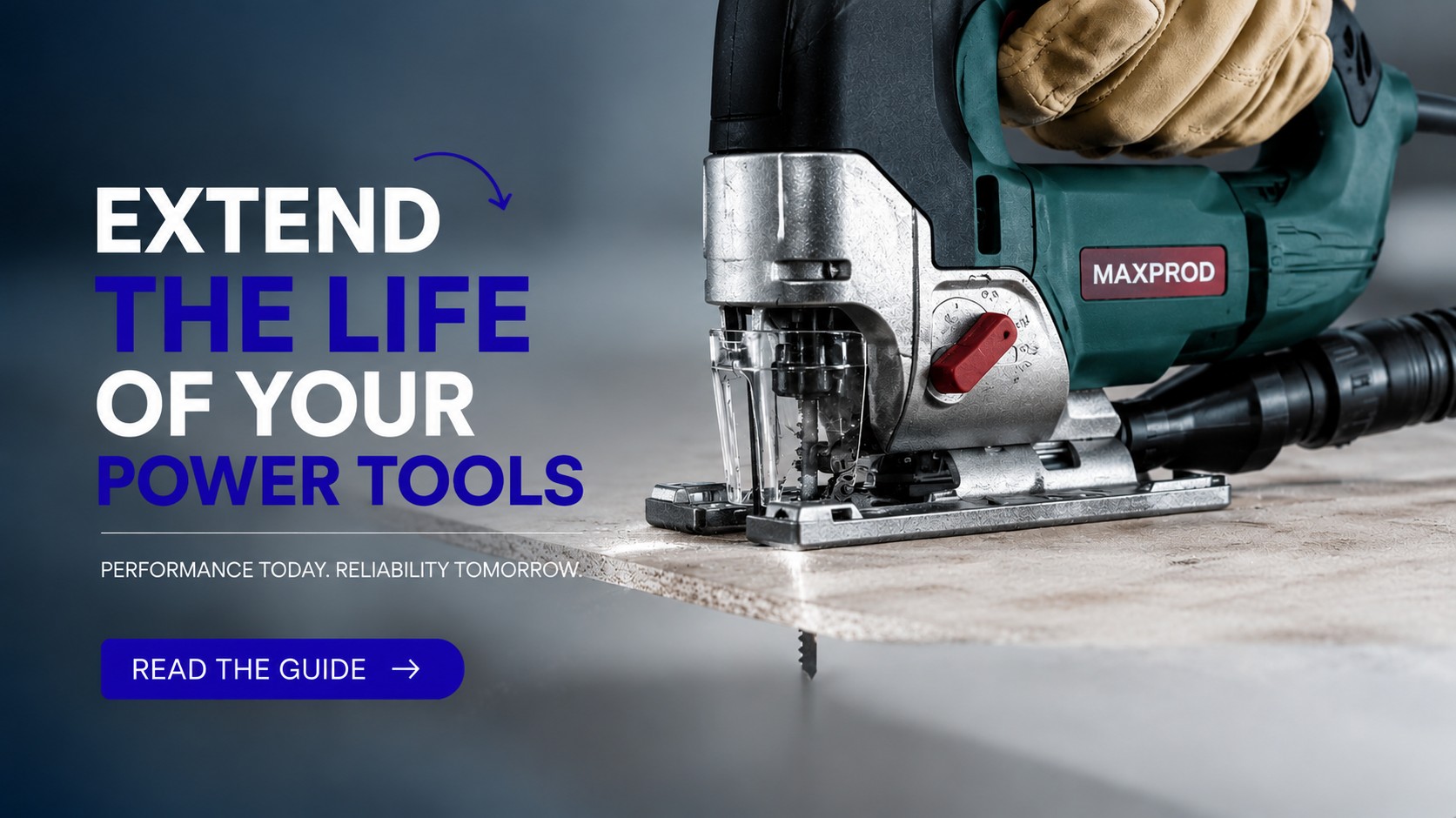
If you work in a fabrication shop, manufacturing floor, or any hands-on trade environment, your power tools are working hard every single day. Grinders, sanders, drills, and impact drivers - these machines take a serious beating. And when they go down, it is never just an equipment problem. It is lost productivity, delayed jobs, and an unplanned expense hitting your budget at the worst possible time.
Here is something worth thinking about: most power tool failures are not random. They are the result of skipped cleaning routines, ignored lubrication schedules, or tools pushed past their design limits too many times. Proper power tool maintenance is less about fancy procedures and more about building a consistent habit in the shop.
At Maxwell Products Corp., we supply fabricators and industrial professionals across Southeastern Pennsylvania with the tools and finishing supplies they need to do the job right. We see firsthand how shops that invest in routine maintenance get dramatically longer service life from their equipment compared to those that react only when something breaks.
This guide gives you the practical, no-nonsense steps to keep every power tool in your shop running at its best longer, safer, and with fewer costly surprises.
This is one of the most common questions we hear from shop professionals and contractors. The honest answer is that making power tools last longer comes down to five consistent behaviors, not any single trick.
Shops that follow these five practices consistently extend their tool service life from months to years. That is not an exaggeration - it is what we have seen working with fabricators and industrial buyers across Pennsylvania.
Cleaning sounds basic. It is also the single most important thing you can do for a power tool's long-term health, and the step most commonly skipped when a shift is busy.
Here is what actually happens when dust and debris accumulate inside a tool. The vents that allow hot air to escape get blocked. The motor runs hotter than it was designed to. Heat breaks down lubricants faster. And eventually, either the motor burns out or internal components warp and fail. This is not a slow process in a high-use shop environment - a dirty tool can decline noticeably within weeks.
Cleaning a power tool is not complicated, but doing it right matters.
Pro Tip from the Shop Floor: In metalworking environments, fine metal dust and grinding residue are particularly aggressive inside tool vents. A dedicated blowout after every grinding session, not just at the end of the day, makes a measurable difference in how long your angle grinders and sanders hold up.
Regular cleaning also gives you the chance to spot problems early. Cracks in housings, loose guards, fraying cords, unusual discoloration around vents, these are things you catch during a cleaning routine that you might miss during normal operation.
Makita is one of the most respected names in professional power tools for good reason. Their tools are built for heavy use. But even the toughest Makita equipment needs consistent care to deliver on that reputation over the long term.
Here is what keeps Makita tools performing at their best:
After each use, remove the battery and clear out dust and debris from all vents and housing openings. For grinding and finishing work specifically, use a high-speed blower to clear fine particles from hard-to-reach areas. Makita's own line of cleaning accessories is designed specifically for their tool housings, which is worth keeping in mind.
For deeper cleaning, a mild solution of water and all-purpose cleaner applied with a soft cloth handles most surface grime. Make sure the tool is completely dry before reassembling and storing.
Makita's corded and cordless tools, especially angle grinders, circular saws, and hammer drills, rely on gear systems that need periodic lubrication. The type and frequency vary by model, so always refer to the specific tool manual. Using the wrong lubricant on a Makita gearbox can cause more damage than not lubricating at all.
One of the most common ways Makita tools get damaged is through motor overload. If you are using a drill, impact driver, or grinder for an extended period on a heavy application and start to notice any burning smell or unusual heat from the housing, stop immediately. Let the tool rest for at least 30 minutes before using it again. If the smell returns, that tool needs to be looked at by a service technician before going back into rotation.
Makita operates factory-authorized service centers where trained technicians can handle everything from routine inspection to full overhaul. Scheduling periodic professional service even when the tool seems to be working fine catches internal issues before they become failures. This is especially important for tools that run daily in demanding shop environments.
Power tool repairs are expensive. The parts are often proprietary, labor costs add up, and in the meantime, the tool is out of service. The good news is that most repair situations are preventable.
Carbon brushes, drive belts, blade guards, and power cords are consumable components that degrade with use. The mistake most shops make is waiting until the tool stops working to replace it. By that point, a worn carbon brush has often caused damage to the commutator, turning a $15 brush replacement into a $150 motor repair.
Check wear parts on a regular schedule:
Mismatching tools to applications is one of the most common causes of premature failure we see. Using a light-duty drill for heavy repetitive drilling, or running a small angle grinder on materials that require a larger wheel diameter, puts stress on the motor and drive system that those tools are not designed to handle.
When you are equipping your shop or advising someone on what tool to spec for a job, make sure the tool's rated capacity matches or exceeds the actual application demands.
Shops that run preventive maintenance programs where tools are inspected and serviced on a calendar basis spend significantly less on repairs over time compared to shops that only address problems after they show up. Setting a simple quarterly inspection schedule for all tools in the shop takes maybe a few hours and can prevent thousands of dollars in damage.
Storage is something shops often overlook, but the environment where tools live between uses has a direct impact on how long they last.
Temperature and humidity matter more than most people realize. Moisture causes rust on metal components and accelerates corrosion on electrical contacts. Extreme cold makes seals and housing materials brittle. Extreme heat degrades lubricants and battery chemistry. The ideal storage environment is dry, moderate in temperature, and away from direct sunlight.
Specific storage practices worth following:
Batteries are one of the most expensive components of any cordless tool system. Treating them right extends their service life significantly and maintains the runtime performance you depend on in the shop.
For shops running Makita, DeWalt, or other branded battery platforms, sticking with genuine manufacturer batteries rather than third-party alternatives is worth the cost difference. Genuine batteries are designed to the exact tolerances of the tool's electronics and tend to last significantly longer under daily use. And fake batteries have the risk of damaging tools, they can overheat, causing permanent damage to the tool's motor and short circuits.
|
Frequency |
Maintenance Task |
|---|---|
|
After every use |
Wipe down surfaces, blow out vents with compressed air, and inspect accessories for wear |
|
Weekly (high-use tools) |
Check power cords and battery terminals, clean ventilation slots, and inspect blade guards |
|
Monthly |
Inspect carbon brushes, apply lubrication per manual, check chuck and collet tightness |
|
Quarterly |
Full inspection of all shop tools, replace any worn parts, and assess battery health |
|
Annually |
Schedule professional service for high-use tools, check all power cords and plugs |
Use this schedule as a starting point and adjust the intervals based on the intensity of your shop's tool usage. High-production fabrication environments should lean toward more frequent checks.
In a professional shop running tools daily, a basic inspection after every use, combined with a more thorough monthly maintenance check, is a solid baseline. High-use tools like angle grinders and sanders in metalworking environments may need more frequent attention, given the dust and heat they generate. Annual professional servicing by an authorized repair center is recommended for any tool used regularly.
The most common mistake is waiting for a tool to fail before doing anything about it. Reactive maintenance is always more expensive than preventive maintenance. A worn carbon brush costs a few dollars to replace on schedule. That same worn brush, left until it causes motor damage, can turn into a repair bill that approaches the cost of a new tool.
Yes, consistently. Accumulated dust inside a tool's motor housing raises operating temperatures, which accelerates wear on every internal component. Shops that implement daily blowout routines for grinders and sanders consistently report fewer breakdowns and longer intervals between service needs. The data from industrial facilities backs this up: preventive cleaning is one of the highest-return maintenance habits you can build.
Check for visible cracks, soft or crushed spots, exposed wiring, or any discoloration near the plug and the point where the cord enters the tool housing. Cords are most vulnerable at those two connection points where they flex repeatedly. A damaged cord is a safety hazard before it is a maintenance issue. Replace it immediately if you find damage.
It is better to remove batteries from tools and cases during long-term storage. Storing batteries in a cool, dry location separately from the tools themselves prevents moisture issues, reduces the risk of accidental discharge, and keeps the battery cells in better condition. If you are storing for more than a month, charge the battery to around 50 percent before putting it away.
Both have a place. In-house cleaning, inspection, and wear part replacement can handle most routine maintenance. But professional service by an authorized technician for brands like Makita, Dynabrade, or others involves diagnostic checks and internal inspections that go beyond what in-house maintenance can cover. For tools running in high-production environments, scheduling annual professional service is almost always worth the investment.
Keeping your power tools running strong requires more than good habits - it requires the right supplies. At Maxwell Products Corp., we carry a full range of industrial-grade supplies for fabrication and finishing shops across Southeastern Pennsylvania, including:
We have been serving fabricators, manufacturers, and industrial buyers for years, and we understand what real shops actually need. If you have questions about the right supplies for your tools or your applications, our team is ready to help.
Call us at 888.699.2224 or visit maxprod.com to browse our product catalog and talk to someone who knows your industry.