
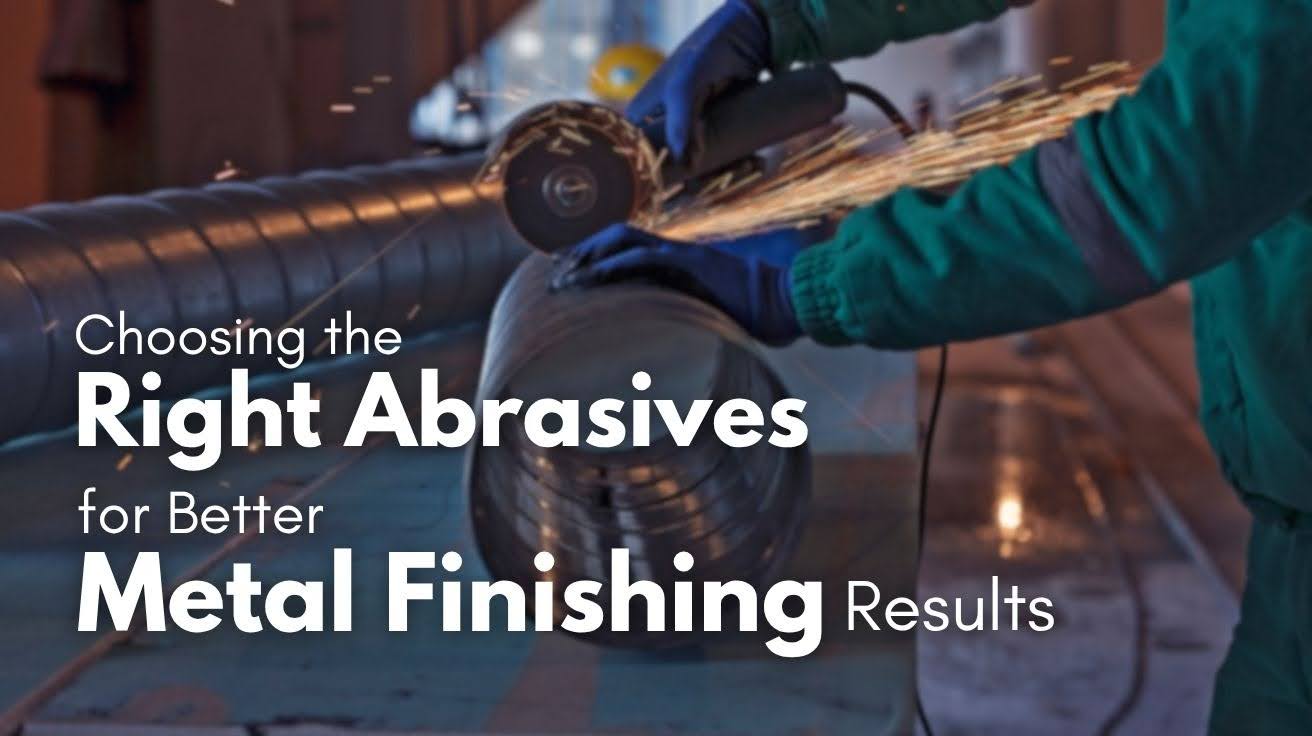
Choosing the right metal finishing abrasives plays an important role in metalworking. It affects the finish, speed, and cost of the work. According to the U.S. Department of Energy, improving manufacturing processes can help reduce waste and improve efficiency.
For this reason, abrasive selection should never be ignored. It is not only about cutting or grinding. It is also about getting consistent results and saving time. Maxwell Products supports industries by offering reliable solutions that improve finishing performance and reduce delays.
Abrasive selection directly affects the final output. If the wrong abrasive is used, it can cause uneven surfaces, overheating, and faster tool wear. As a result, it increases both time and cost.
On the other hand, the right metal finishing abrasives improve surface quality and reduce effort. They also help operators complete work faster and with better control.
In addition, proper abrasive selection helps in reducing rework. This means fewer corrections and better consistency in every batch. Maxwell Products provides industrial finishing solutions that help users achieve stable and reliable results.
Different jobs require different abrasives. Each type is made for a specific purpose, so it is important to understand how they work.
Grinding wheels are used for heavy material removal. They are strong and can handle tough jobs such as shaping and cutting.
Flap discs are useful for both grinding and finishing. Therefore, they save time because they can do two tasks in one step. They are often used for weld blending.
Fiber discs are known for fast cutting. They are commonly used when quick stock removal is needed on metal surfaces.
These abrasives are used for smooth finishing. They help improve surface quality without removing too much material.
All these options are part of metal fabrication abrasives. Choosing the right one depends on the task and the material being used.
Precision work requires control and accuracy. Therefore, the choice of abrasive becomes very important.
The best metal finishing abrasives for precision work usually have fine grit. They help create a smooth and even surface. At the same time, they reduce the chances of surface damage.
In addition, these abrasives maintain steady cutting performance. This means the finish remains the same from start to end.
Another important factor is heat control. Good abrasives reduce heat buildup, which protects the material. Maxwell Products offers advanced abrasive options that support precise and clean finishing work.
Both 3M and Walter abrasives are widely used in stainless steel applications. However, they are designed with different strengths.
3M abrasives are known for their consistent performance. They use advanced grain technology that helps maintain steady cutting and reduce heat. As a result, they are suitable for precision work.
Walter abrasives focus on strong cutting power. They are designed to remove material quickly and last longer during heavy use.
Here is a simple comparison:
Therefore, the choice depends on the job. For detailed finishing, 3M is often a better option. For heavy grinding, Walter can be more effective.
Maxwell Products supplies both options and helps users choose the right product based on their needs.
Tool life is important for any fabrication process. If tools wear out quickly, it leads to delays and higher costs.
Grinding wheels that last longer usually have better grain quality and strong bonding. These features help maintain cutting ability over time.
In addition, good grinding wheels reduce heat and friction. This protects both the tool and the material.
The following factors help improve tool life:
Using the correct grinding wheel improves performance and reduces replacement frequency. Maxwell Products helps users select grinding wheels that provide long life and steady performance.
Many users choose standard abrasives because they cost less at first. However, they often wear out faster and require more replacements.
Premium metal finishing abrasives offer better performance. They cut faster, last longer, and provide consistent results.
As a result, they help save time and reduce overall cost. In addition, they improve working conditions by reducing heat and vibration.
Some key benefits include:
Therefore, investing in premium abrasives is a practical choice. Maxwell Products provides high-quality solutions that support long-term efficiency and better results.
Choosing the right abrasive can be simple if you follow a clear process. It is important to match the abrasive with the job requirements.
Here are some useful points to consider:
In addition, always make sure the abrasive is suitable for the equipment being used. This helps improve safety and performance.
Maxwell Products works with industries to provide the right metal fabrication abrasives and industrial finishing solutions for different applications.
The choice of metal finishing abrasives has a direct impact on quality, speed, and cost. Using the right abrasive improves efficiency and ensures better results.
Each type of abrasive serves a specific purpose. Therefore, understanding the application is important before making a decision.
In addition, upgrading to better abrasives can improve productivity and reduce long-term costs. It also helps maintain consistent results across different jobs.
Maxwell Products supports industries by offering reliable solutions for metal fabrication abrasives and industrial finishing solutions. With the right guidance and products, businesses can achieve better finishing results and improve overall performance.
Metal finishing abrasives are used to grind, smooth, and polish metal surfaces. They help improve surface quality and prepare the material for further processes such as coating or welding. In addition, they remove imperfections and create a clean finish.
The best abrasives for precision metal finishing are those with fine grit and stable performance. They provide smooth finishes and reduce surface damage. In addition, they help maintain control during the process and reduce heat buildup.
3M abrasives are known for consistent cutting and smooth finishes. They are suitable for detailed work. Walter abrasives provide strong cutting power and longer use in heavy applications. Therefore, the choice depends on whether the job requires precision or high material removal.
Grinding wheels with high-quality grains and strong bonding tend to last longer. They maintain their cutting ability and reduce wear. In addition, wheels designed for specific metals perform better and help extend tool life.
Premium abrasives improve speed, consistency, and durability. They reduce the need for frequent replacement and help complete work faster. As a result, they lower overall cost and improve efficiency in the long run.